Where Sunken Paths Remember Every Step
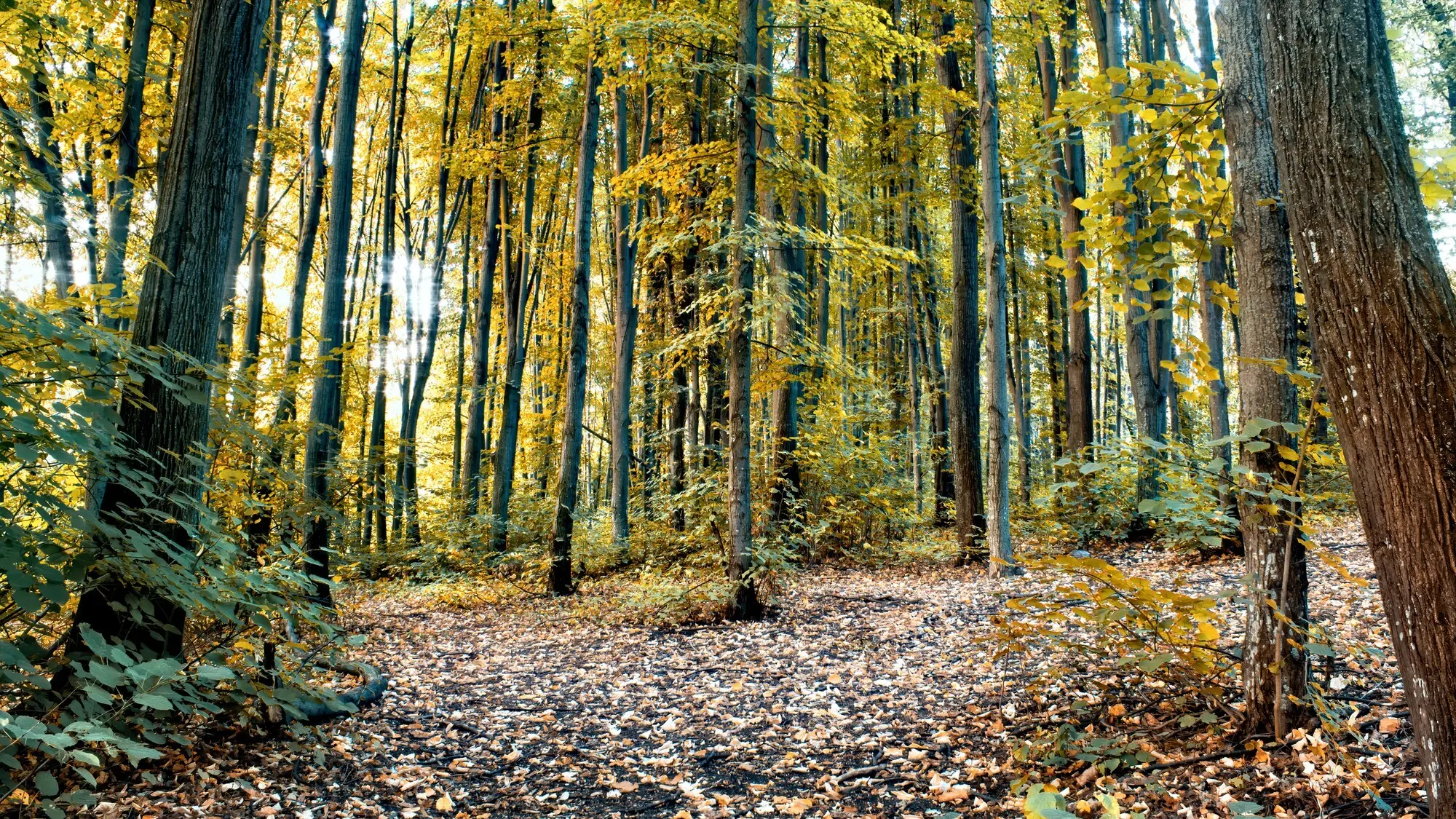
Step into Kent’s holloways and heritage lanes, those shaded, timeworn corridors cut deep between hedgebanks, where chalk, clay, and centuries of travel have carved quiet tunnels of memory. We will explore their geology, wildlife, stories, and modern journeys, inviting you to walk gently, listen closely, and share your own discoveries along these living, historic byways today.
Chalk, Clay, and Greensand in Conversation
Kent’s geology shapes every curve here: chalk drains swiftly, clay grips and puddles, greensand crumbles into gritty shelves. Water seeks the hollow, hooves compact the floor, tree roots knit the banks, and over centuries the way sinks, protected from wind yet sculpted by storms.
Paths Pressed by Pilgrims and Drovers
Long before guidebooks, traders, shepherds, and pilgrims to Canterbury funneled through these corridors, choosing shade in summer and shelter in winter. Metal-rimmed wheels bit deeper, hoofbeats drummed the clay, and parish to parish, the most dependable lines were those already worn into the earth.
Spring Carpets Under Dappled Light

In April and May, bluebells, wood anemones, celandines, and stitchwort paint the banks with layered color, thriving in the cool, fixed shade. Their timing mirrors leaf-out above, while bees navigate scented tunnels, and walkers drift softly, careful to keep to the hardened center and spare fragile edges.
Architecture of Hedgerows

Veteran hawthorn, hazel, and field maple create living walls, bound by bramble stitching and lifted by ash or oak standards. Coppice cycles leave stool rings that anchor soil, while ferns and mosses stitch green filigree across roots, giving birds shelter, insects nectar, and mammals twilight runways.
Night Voices and Quiet Footfalls
At dusk, tawny owls trade calls between banks, bats hawk midges along windless channels, and shy dormice bridge hazel with whiskered courage. These sheltered trenches keep warmth and stillness, letting delicate species persist where open fields would scatter sound, scent, and safe avenues for nightly travel.
Reading the Land and Its Lines
Maps catch only part of the story. Contours hint at hidden trenches; parish boundaries kink around old passages; place-names like Hollow Lane repeat like echoes. In Kent, tithe maps, estate plans, and modern LIDAR together reveal sunk paths still linking farmsteads, churches, quarries, and market greens.
Contours, Shadows, and Guesswork
OS sheets show close-packed lines hugging ridges, with bridleways diving between them; the eye learns to suspect a trench where lanes vanish into wood. Fieldwork confirms the hunch: bank height, root exposure, and cool, muffled sound announce a path that has settled into itself.
Documents That Refuse to Forget
Tithe apportionments, enclosure awards, and perambulation notes memorialize tracks that never made tarmac, preserving alignments across centuries. When hedges are grubbed or gates are moved, those records still point like compasses, letting today’s walkers trace lines that law, custom, and memory together recognized as shared passage.
A Basket on a Sunday Morning
My grandmother told of taking the sunken shortcut to church, skirts lifted from puddles, primroses watching from the bank. She said voices sounded rounder there, as if the lane gathered them, carrying hymns ahead of feet and making every greeting last a little longer.
Whispers Along the Marsh Edge
On nights when mist from Romney Marsh climbed the hedges, carts rolled dark and careful, iron wrapped in cloth. People remembered smells more than faces: tar, wet hemp, crushed nettle. The lane kept counsel, a quiet accomplice whose curves unspooled secrets slowly toward safe doors.

Caring for Fragile Depths
These corridors are resilient yet easily scarred. Off-road tyres chew wet clay; water channels race along ruts; careless cutting can strip shade. Good guardianship means seasonal restraint, hedgelaying rather than flailing, gentle drainage, and community walks that teach respect through shared pace, patient eyes, and listening feet.
When clay rises to meet your boot, choose the firmest line, shorten stride, and avoid stepping on vegetated banks. If a section is flooded, detour rather than widen the wound. Patience today saves root systems, keeps channels stable, and makes tomorrow’s passage kinder for everyone.
Traditional laying turns leggy stems into stout, pleached walls that shelter lanes, strengthen banks, and feed blossom-starved springs. Volunteers wield billhooks beside elders with stories, learning rhythm, knots, and safe cuts, leaving a living fence that breathes, flowers, and resists the wind’s appetite.

Walking Routes and Good Company
From the North Downs to the High Weald, circular walks stitch viewpoints to shaded trenches, rewarding steady feet with skylarks above and moss beneath. Come prepared: stout boots, an OS map, water, weather layers, and time enough to dawdle, notice, and share a story at day’s end.

Photographing Texture Without Losing Mystery

Low, soft light reveals roots, ruts, and lichen, while midday glare flattens depth. Step aside, kneel, and let the bank fill the frame, but keep people in the story too: a boot, a hand on bark, a laugh echoing forward beyond sight.
Field Notes that Hold the Day

Write down sound, scent, and small directions as if guiding a friend: two ash standards, a broken stile, the coldest patch near the willow. Such notes turn tracks into companions, and they help future feet move gently where your kindness first lingered.
An Invitation to Walk Together

Tell us about the lane that shaped your week, send a photograph of bank shadows, or share a recording of evening birds. Join our mailing list, comment with routes we should try, and let’s meet under hedges that remember us kindly, step after step.

All Rights Reserved.