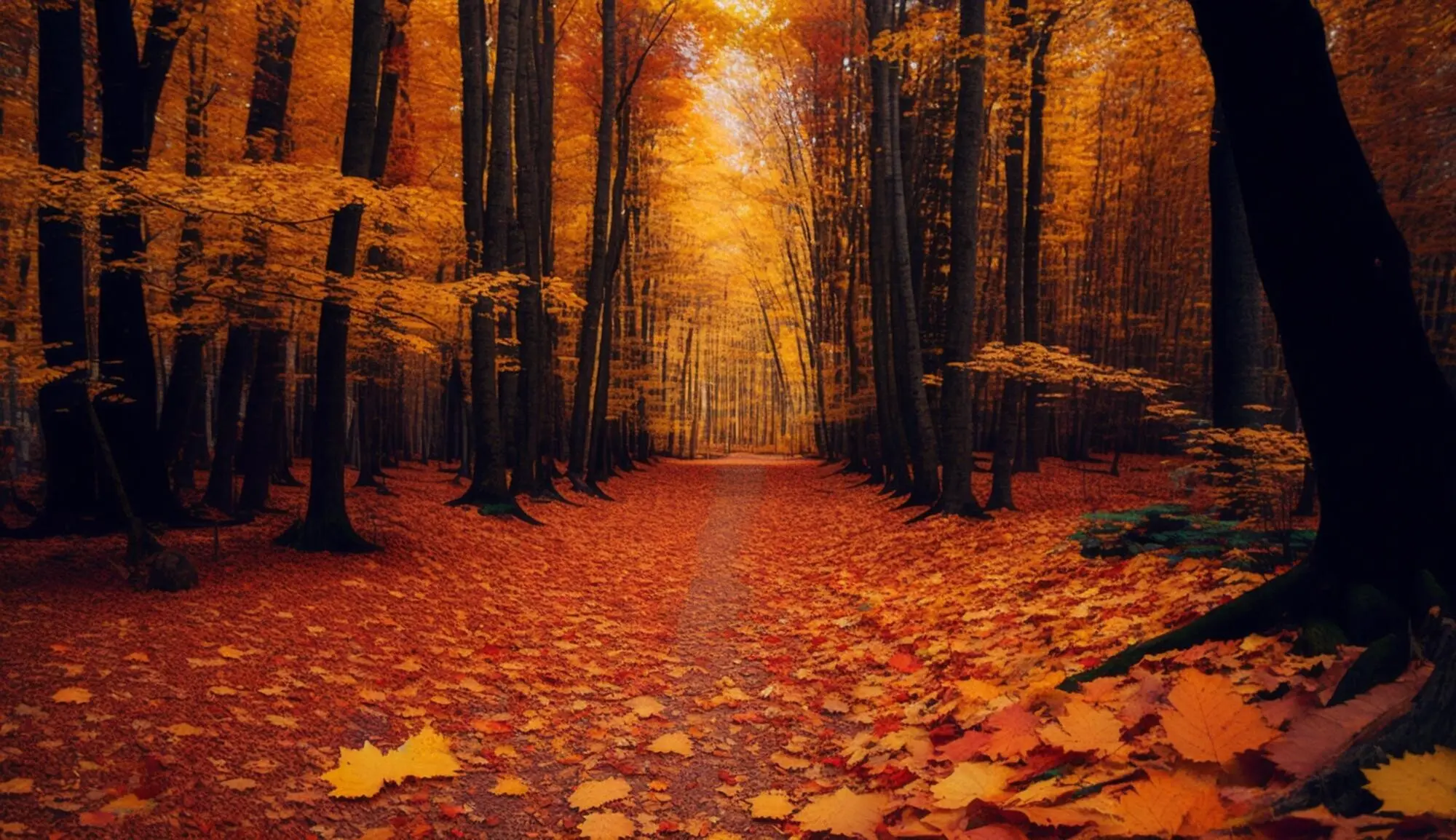
Where Rock, Rain, and Footsteps Sculpt the Sunken Ways of Kent
Bedrock, Water, and the Hidden Architecture Underfoot
Chalk and Flint
High, permeable chalk downland drinks winter rain, then releases it as seepage along lane banks, keeping soils damp yet free-draining. Embedded flints tumble from faces, armoring surfaces in places, while white dust brightens walls where cartwheels once ground through dry midsummer traffic.
Greensand and Ragstone
On the Greensand Ridge, iron-rich sands and hard ragstone ribs create firm ledges that channel runoff into rills rather than broad sheets. These materials weather slowly, preserving crisp profiles, steps, and wheel-grooves that read like pages from a long-traveled, rain-polished chronicle.
Wealden Clay
Where lanes cross Wealden beds, sticky clays deform under hooves and wheels, deepening ruts that capture water and amplify erosion. Winter churn becomes summer hardness, locking in micro-terraces, while bank-top hedges root into cohesive, moisture-retentive soils that stabilize edges despite persistent channelization.
Runoff and Rills
Hooves and Wheels
Frost and Roots
Passage Through Time: Pilgrims, Farmers, Carters, and Smugglers

Along the Pilgrims’ Way
Skirting the chalk escarpments, the Pilgrims’ Way dips into sunken stretches where wayfarers avoided open ridge winds. Accounts mention shared bread in rain-hollowed alcoves and hastily scratched crosses on exposed chalk, small gestures anchoring devotion to the tactile, sheltering intimacy of earthbound passage.
Fields, Hops, and Timber
Skirting the chalk escarpments, the Pilgrims’ Way dips into sunken stretches where wayfarers avoided open ridge winds. Accounts mention shared bread in rain-hollowed alcoves and hastily scratched crosses on exposed chalk, small gestures anchoring devotion to the tactile, sheltering intimacy of earthbound passage.
Smugglers’ Shadows
Skirting the chalk escarpments, the Pilgrims’ Way dips into sunken stretches where wayfarers avoided open ridge winds. Accounts mention shared bread in rain-hollowed alcoves and hastily scratched crosses on exposed chalk, small gestures anchoring devotion to the tactile, sheltering intimacy of earthbound passage.
Ancient Hedgebanks
Flora Underfoot
Creatures of the Gloom
Detecting the Invisible: Maps, LiDAR, and Community Memory
LiDAR and Terrain Models
Old Maps and Archives
People’s Knowledge
Caring for the Cuttings: Practical Preservation That Works

Walking, Learning, and Joining In

All Rights Reserved.