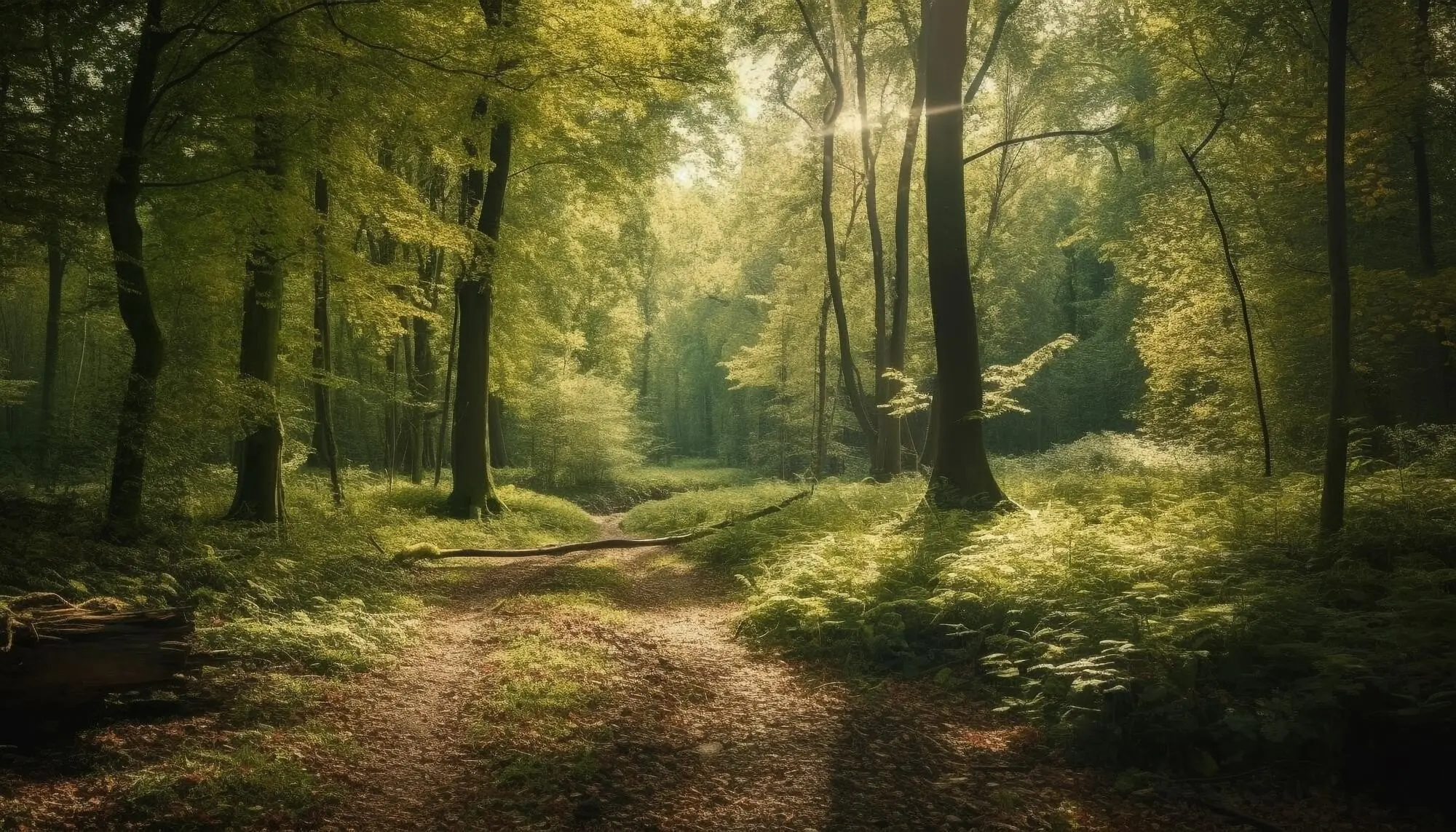
Alive Beneath the Banks: Life in Kent’s Sunken Lanes
Where History Carved Shade and Shelter

Species-Rich Boundaries with Purpose

The Craft of Laying and Coppicing
Quiet Corridors Linking the Wider Countryside
Microhomes Hidden in Bark, Soil, and Shade

Loamy Banks, Chalky Pockets, Ferny Seams
Deadwood, Hollow Stems, and Secret Tenants
Ditches, Puddles, and Ephemeral Water
A Year Along the Lane’s Green Spine
Keeping These Lanes Alive, Together
What Neighbours and Walkers Can Do Now
Carry a small bag for litter, step carefully to spare bank flora, and report blocked ditches that threaten amphibian refuges. Support hedge planting with local provenance stock to match existing character. Choose red-filter torches at night, softening impact on bats and moths. In gardens, align flowering times with lane gaps, extending nectar flows. Post your sightings, even common ones, because patterns hide in everyday notes. Small, steady choices ripple outward, turning a single walk into habitat care that lasts.
Monitoring, Mapping, and Stories Shared
Keep a simple notebook or use a citizen-science app to log bloom dates, bird songs, and invertebrate surges after rain. Sketch hedge gaps and record cut timings to spot trends. Pair data with anecdotes: an owl’s sudden glide, a bat’s brisk corner, a child’s first bluebell. Shared records help landowners schedule work around nesting, demonstrate successes to councils, and secure grants. Subscribe for printable survey sheets and contribute your lane map; together we’ll build a living atlas shaped by many careful eyes.
Balancing Access, Safety, and Wildness
These routes serve people as well as wildlife. Wear high-visibility layers where sightlines tighten, step aside for vehicles, and avoid trampling soft banks after storms. Encourage gentle cycling speeds and advocate for hedgerow-friendly maintenance rather than hard widening. Waymarkers, reflective posts, and seasonal notices can protect walkers without erasing texture. When conflicts arise, invite dialogue: farmers, councils, and residents share outcomes best. With respect and patience, we preserve passage for all—mammal, moth, and neighbour—through the green, remembering lanes of Kent.

All Rights Reserved.